

Does Home Insurance Cover Sewer Backups?
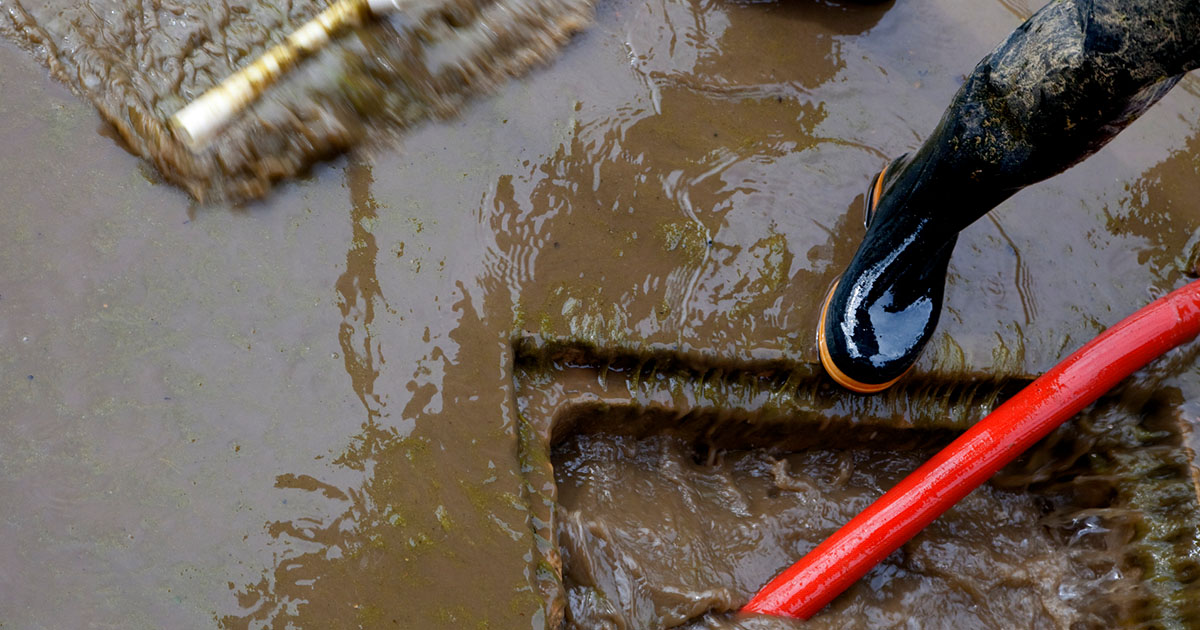
Basic home insurance does not cover sewer backups. Protect your home and family from expensive water damage by adding sewer backup insurance.
Talk to your Western Coast home insurance expert about purchasing coverage. We have the knowledge and expertise to guide you through this process.
Does home insurance cover sewer backup?
You might assume that home insurance would cover something as serious as a sewer backup, but basic policies do not include this coverage.
While keeping your home insurance premium affordable is important, adding sewer backup coverage to your home insurance policy can protect you from significant out-of-pocket repair costs.
Your Western Coast home insurance expert can answer any questions you may have about adding sewer backup coverage to your policy.
Why do sewer backups happen?
A sewer backup occurs when sewage flows back into your home through plumbing systems. This can result from heavy rainfall, sump pump or private septic system failure, or backups in municipal sewer lines.
A sewer backup is different from flooding, which involves water entering your home from outside sources such as rivers, lakes, melting snow, or storm runoff. Flooding is also not covered by basic home insurance.
What kind of damage can a sewer backup cause?
Sewer backups can cause extensive water and contamination damage to lower levels of your home.
Floors, walls, and insulation may need replacement, and mold growth is a common secondary issue. Personal belongings stored in basements are especially vulnerable to sewer backup damage.
What is sewer backup insurance?
Sewer backup coverage is an optional add-on to your home insurance policy that helps cover damage caused by sewer backups.
It can help pay to repair or replace damaged areas of your home and affected personal property. The amount of coverage you need often depends on whether your basement is finished and whether you store valuable items there.
Sewer backup insurance can also cover additional living expenses, such as hotel stays, if your home is uninhabitable while repairs are being completed.
Should you purchase sewer backup insurance?
Sewer backup coverage is generally affordable, especially when compared to the potential cost of repairs, which can reach tens of thousands of dollars.
You should strongly consider adding sewer backup coverage to your home insurance if:
- You live in a low-lying area near a river or ravine.
- Your neighbourhood uses combined sanitary and storm sewer systems.
- Severe weather events are common in your area.
- Sewer backups have occurred in your neighbourhood before.
- Your home’s elevation is low relative to sea level.
- Your neighbourhood has high density relative to sewer line capacity.
Fill out our form in just one minute and one of our insurance brokers will contact you shortly.
Our experts are also available in branch or by phone to help you navigate the home insurance journey and find the right coverage for your situation.
Other News
How Much Does Farm Insurance Cost in British Columbia?
How much does farm insurance cost in British Columbia? The honest answer is that it depends…

Empowering Indigenous Communities and Honouring Truth and Reconciliation
Western Financial Group Communities Foundation Announces 2026 Indigenous Grant Recipients an…



Western Coast Insurance Services is a wholly owned division of Western Financial Group Ltd. Insurance products are underwritten by certain licensed insurance companies and are only available throughout British Columbia, Canada.